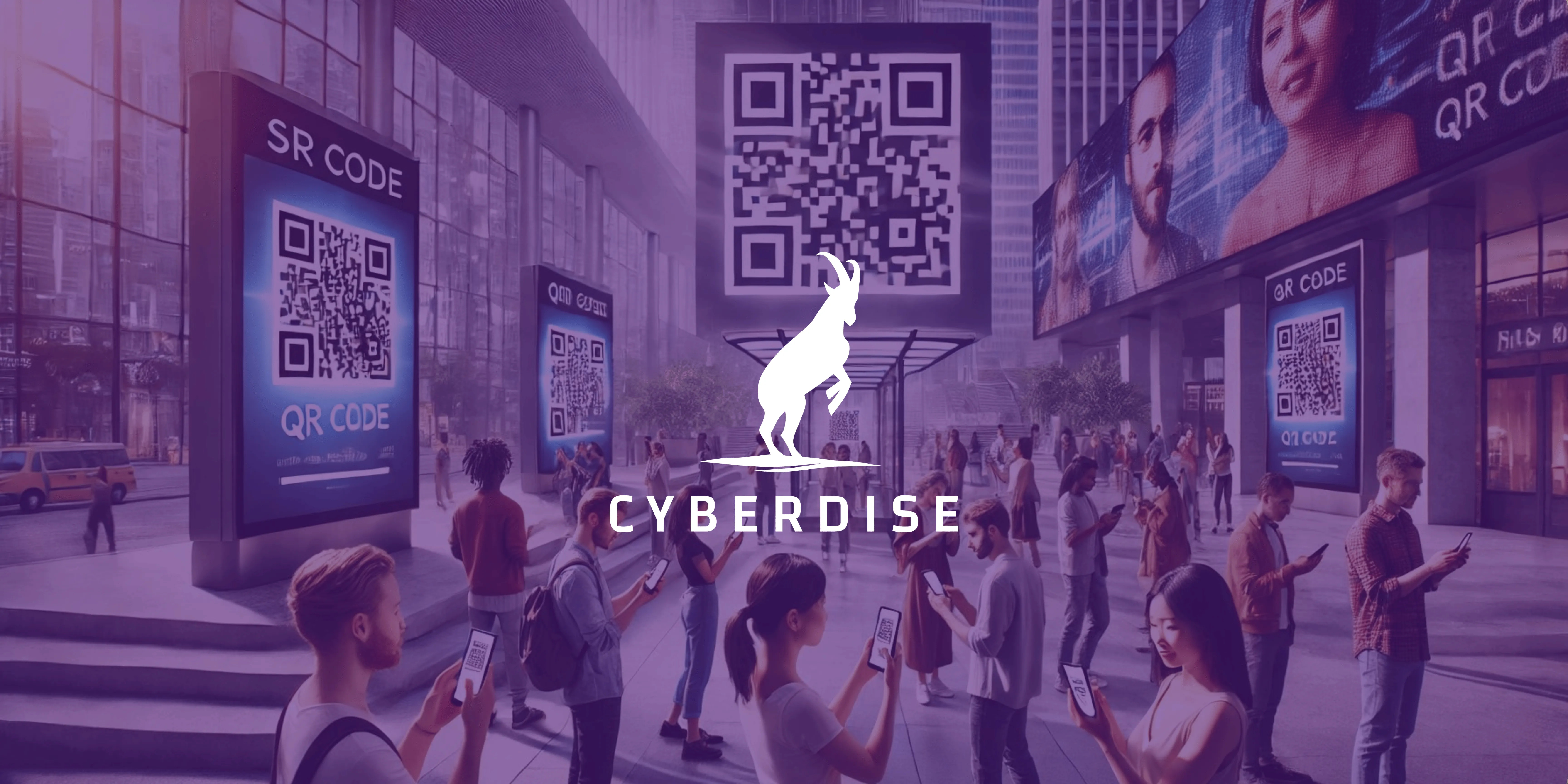
Have you ever scanned a QR code to pull up the menu at a restaurant? Or maybe you’ve seen a QR code offering a “$20 discount” outside one of your favorite stores? We’ve all grown used to the convenience of QR codes. But just like many trusted tools, scammers have figured out how to exploit that trust. Enter quishing – a new type of phishing attack that hides harmful links in those innocent-looking QR codes, putting your business and employees at risk.
How quishing works
Quishing works by sneaking a malicious link into a QR code. When you scan it, you think it’s taking you to a legitimate website – like your company’s employee portal or a login page you trust. But in reality, it’s redirecting you to a fake site designed to steal sensitive information, like your login details or even payment info.
The tricky part? QR codes are so simple and convenient that it’s tough to know if one is safe or not. Scammers can hide fraudulent QR codes in all kinds of places:
• A casual email from a coworker • A fake event flyer hanging up in your office • A product label that looks official • An email posing as an IT update that you’re used to seeing
These codes blend in, making it really easy to fall for. And unfortunately, it only takes one wrong scan to put your business’s security at risk.
Why QR codes at work attract cybercriminals
QR codes have become part of everyday life at work. We use them for quick access to marketing materials, business cards, or secure documents. But this wide adoption also makes them the perfect target for cybercriminals. For example, someone might send you what looks like a totally normal email or drop off a flyer at an event with a QR code that seems useful – but it’s actually a trap.
That’s why it’s so important to train your team to stay alert, recognize potential red flags, and always double-check before scanning any QR code.
Testing your team with QR code phishing simulations
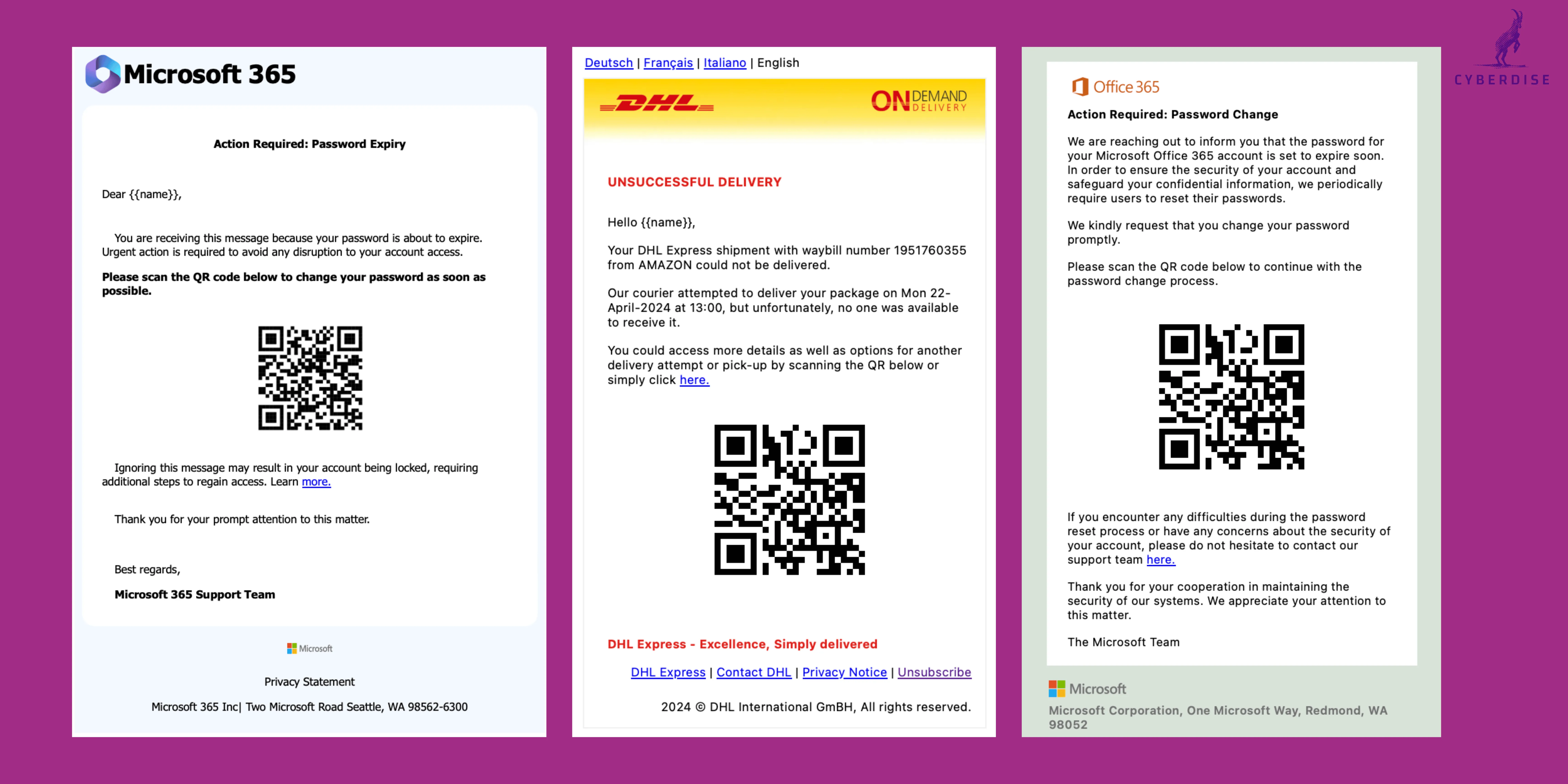
Fig.1 Cyberdise: 3 different QR-code phishing simulations examples
The best way to make sure your team is ready for quishing attacks is by putting them through a test – but in a safe, controlled way. That’s where our QR code phishing simulations come in. They help you find the weak spots in your organization’s defenses by simulating real-world attacks.
We create scenarios that look and feel like the everyday situations your employees encounter – whether it’s a QR code in an email or one embedded in a document they regularly interact with. When they scan one of these fake codes, they get instant feedback on whether they made a safe choice or fell into a potential trap.
Here’s what our QR code phishing simulations can do for you:
1. Real-World Scenarios: We tailor the simulations to fit your industry and the behaviors typical of your employees, so you get a clear picture of where your vulnerabilities are. 2. Actionable Insights: After the simulation, you receive detailed reports that show exactly where your team’s awareness needs improvement, along with practical steps to boost security. 3. Increased Awareness: These simulations don’t just test your employees—they actively train them, making cybersecurity something that stays top of mind day to day.
How to stay safe from quishing
You can take steps right now to lower your risk of falling for a quishing attack. Here’s how:
• Verify Before You Scan: Teach your employees to always double-check where a QR code comes from, especially if they get it in an email or from an unexpected source. • Educate Your Team: Regular training is key. Make sure your employees know the risks of quishing, how to spot suspicious QR codes, and what to do if they think something looks off. • Test Your Defenses: Don’t wait for an actual attack to find out where your weaknesses are. Run phishing simulations—including quishing scenarios—to see how ready your organization is to handle real threats.
Quishing may be a new phishing technique, but the risk it poses to your business is serious. As this threat continues to evolve, staying one step ahead is key. That’s where our QR phishing simulations come in – helping you test, train, and protect your employees from falling victim to these attacks.