Skip to content
Topic

Social Engineering

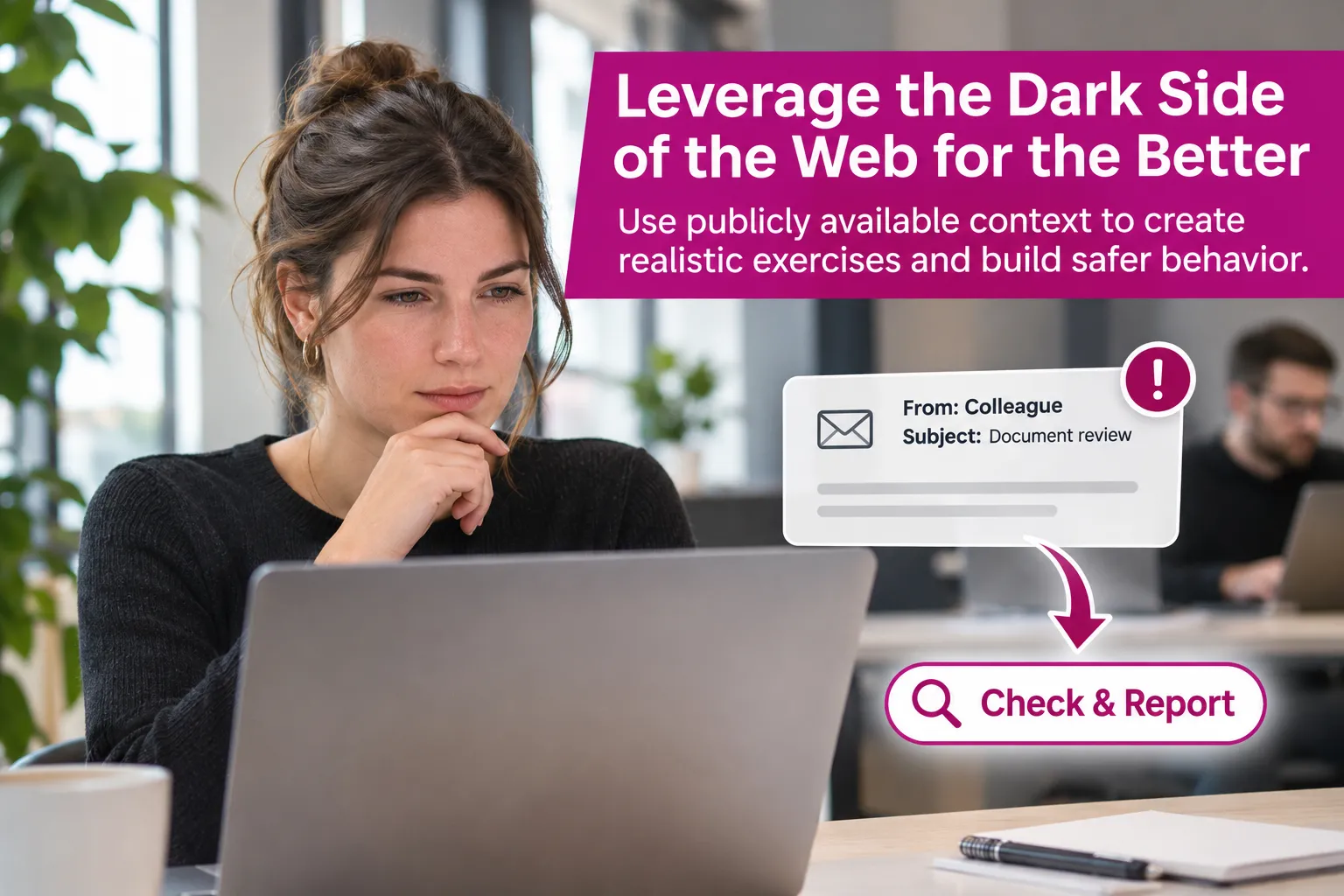
Public web context and current attack intelligence flowing into a realistic phishing exercise
PhishingLeverage the Dark Side of the Web for the Better

CYBERDISE uses dual-use OSINT to connect the context of your employees with the attacks they may encounter. Public information helps shape relevant exercises, and intelligence about current attacks keeps them up to date. The result is a practical way to prepare people for realistic situations while reducing the work of researching and building new scenarios.


Title card "Zeitenwende in Attack Vectors: Vishing": a desk phone shows an incoming call from "CEO" amid AI attack icons
Social EngineeringZeitenwende in Social Engineering: Why Vishing Is Your Next Line of Defense

Attackers no longer hide only behind emails: they call your team directly, armed with AI-powered voice clones that are indistinguishable from trusted managers or partners. A realistic vishing simulation makes your employees’ reaction visible — before a real attacker does.

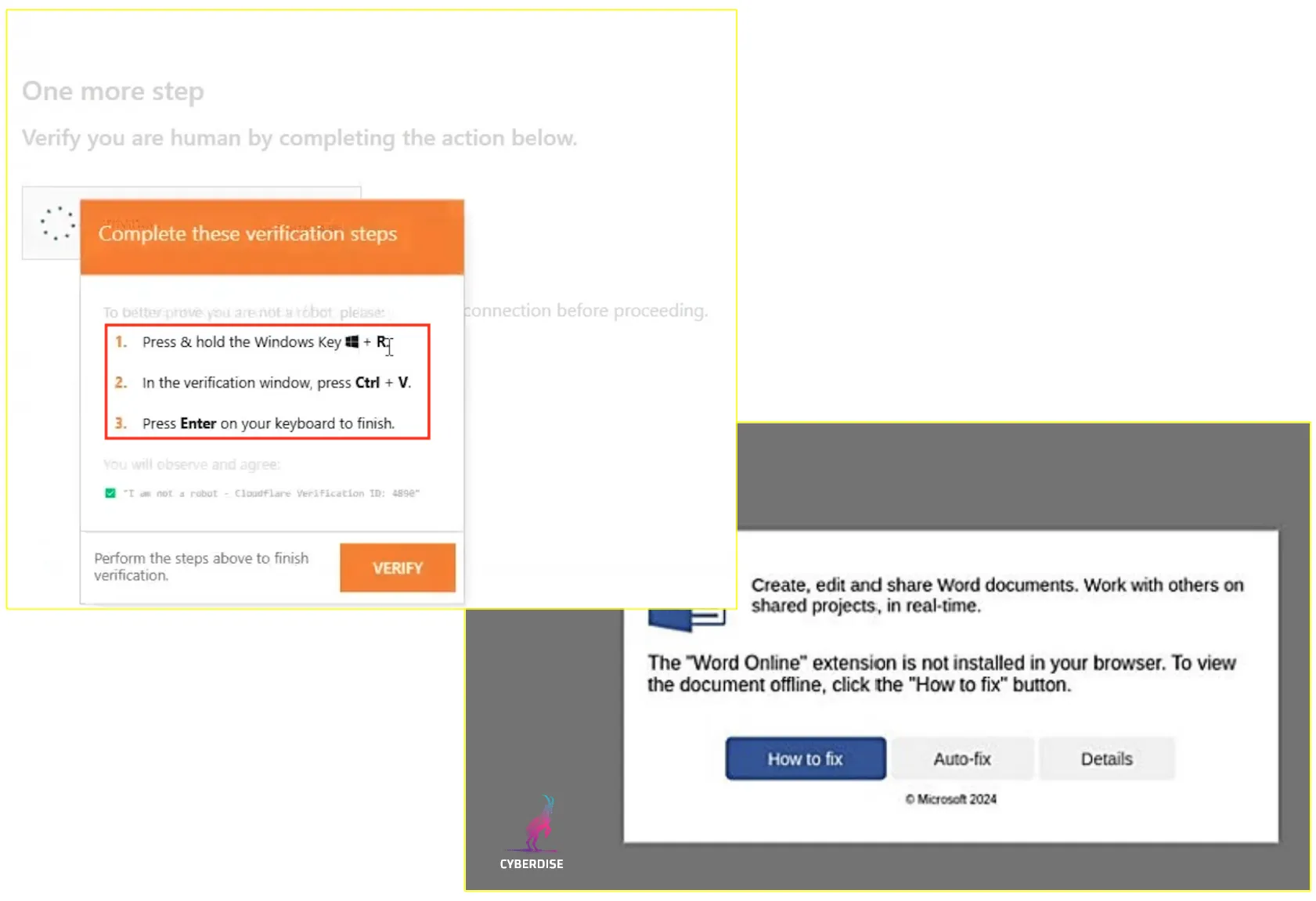
Two example ClickFix lures: a fake verification page telling the user to press Windows + R, then Ctrl + V and Enter, and a fake Microsoft Word error with a "How to fix" button
Social EngineeringClickFix: when the user runs the attack

ClickFix does not ask employees to open a malicious attachment. It guides them through what looks like a routine repair or verification step until they execute the attack themselves. Here is how to build a ClickFix simulation in Cyberdise Awareness — from scenario selection to delivery and measurement.

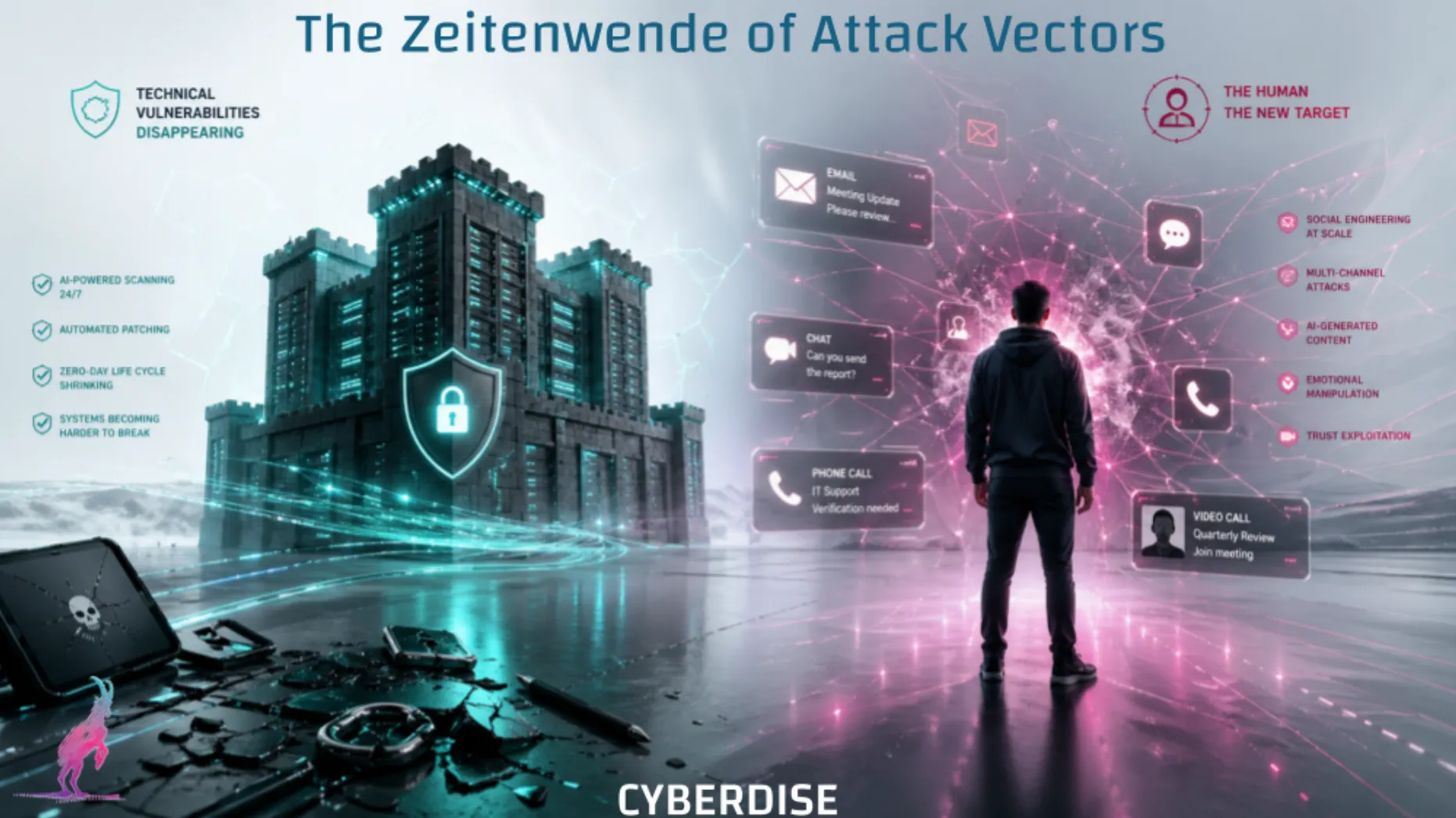
Title card "The Zeitenwende of Attack Vectors": a secured fortress for disappearing technical vulnerabilities on the left, a man surrounded by email, chat, phone and video-call messages as the new human target on the right
Threat LandscapeThe Zeitenwende of Attack Vectors

What happens when technical vulnerabilities disappear in the future – and humans become the primary target? There is a lot of talk right now about AI becoming the better hacker. That is only the first phase; the real shift begins after it.

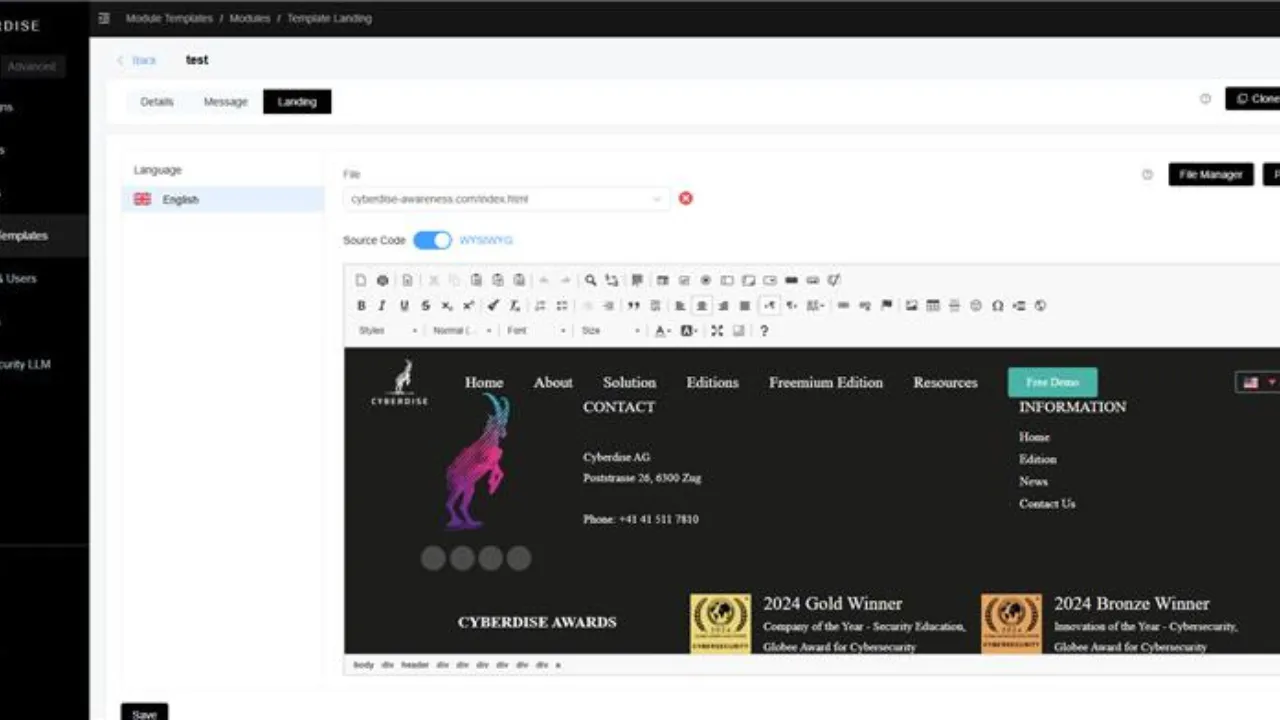
Cyberdise template editor on the Landing tab, editing a page loaded from cyberdise-awareness.com in WYSIWYG mode
Social EngineeringWhy Hackers Love Your Social Media - and How to Stop Them

By exploiting details from your LinkedIn profile, Facebook posts or company website, attackers can craft highly personalized phishing scams that are harder to detect and resist. This article explores how cybercriminals turn your online presence into a weapon and shares tips to help you stay safe.

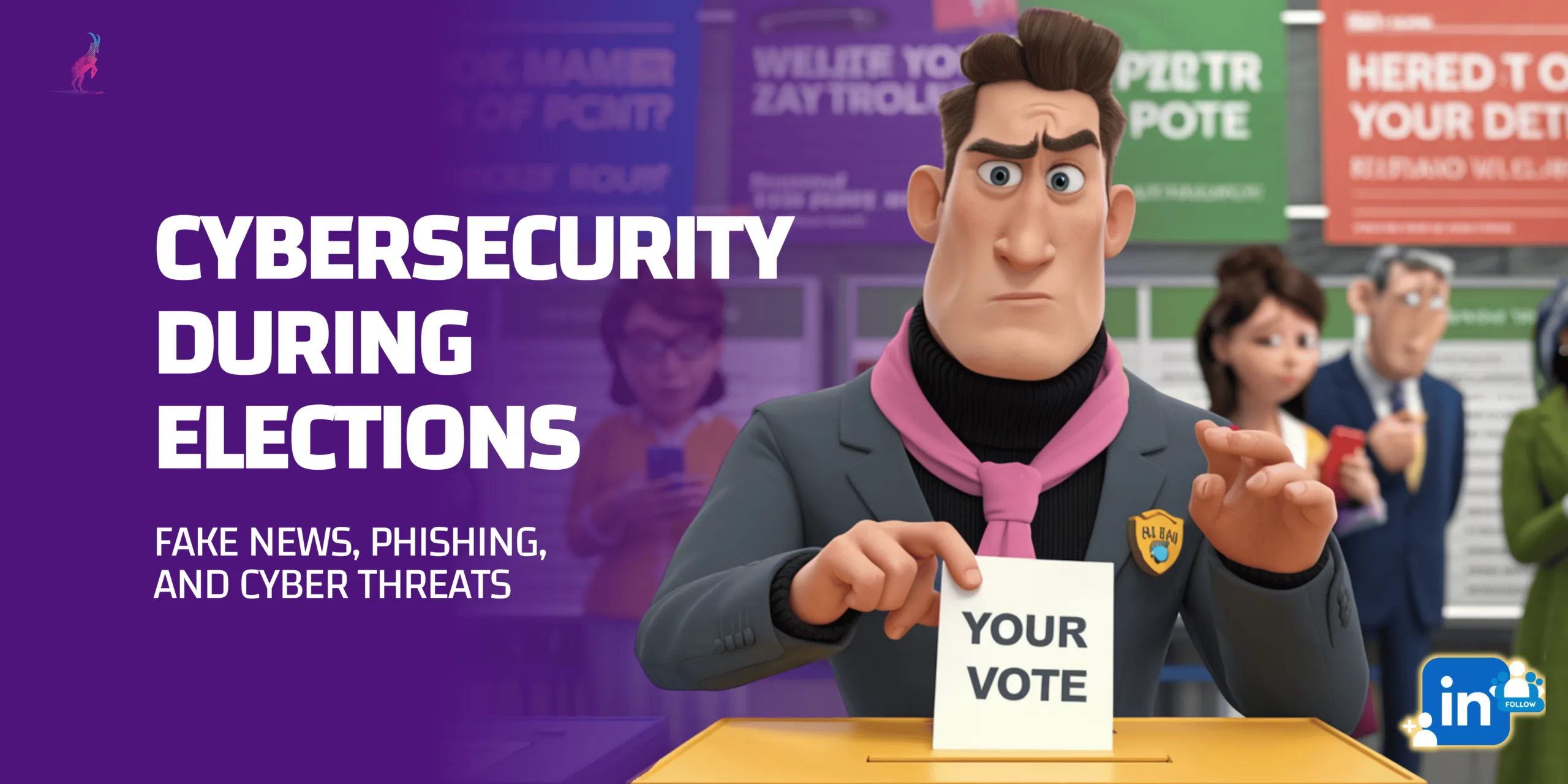
Title card: "Cybersecurity during elections – fake news, phishing, and cyber threats", cartoon man casting a ballot
Social EngineeringCybersecurity in Elections – Is Fake News a National Attack?

The U.S. presidential election was hit with billions of cyberattacks – 6 billion, to be exact – and somehow, things held up. Now Germany’s snap election is just weeks away, and experts are already sounding the alarm.

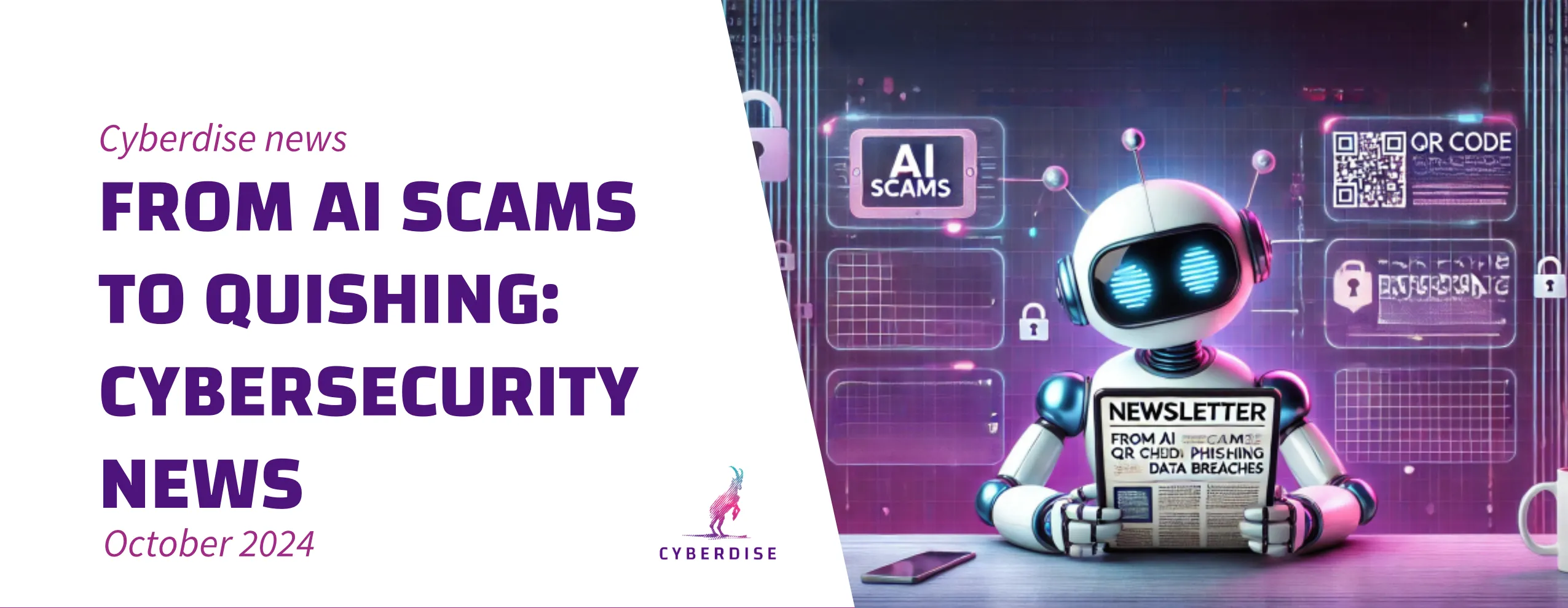
Title card: "From AI Scams to Quishing: Cybersecurity News", October 2024, with a robot reading a newsletter
PhishingCybersecurity News: From AI Scams to Quishing [2024]

A finance employee at a multinational company was duped into transferring $25 million during a fake video conference with deepfaked colleagues. This round-up also covers QR code phishing and a North Korean phishing attack on Diehl Defense.