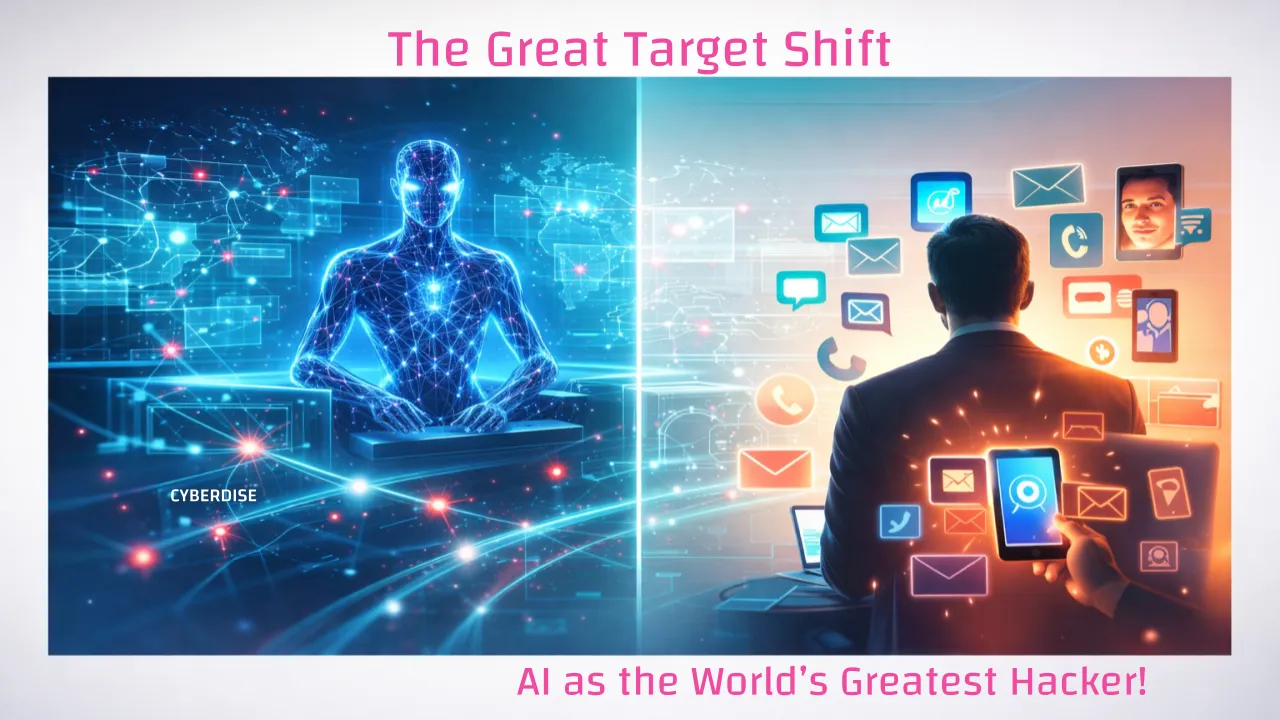
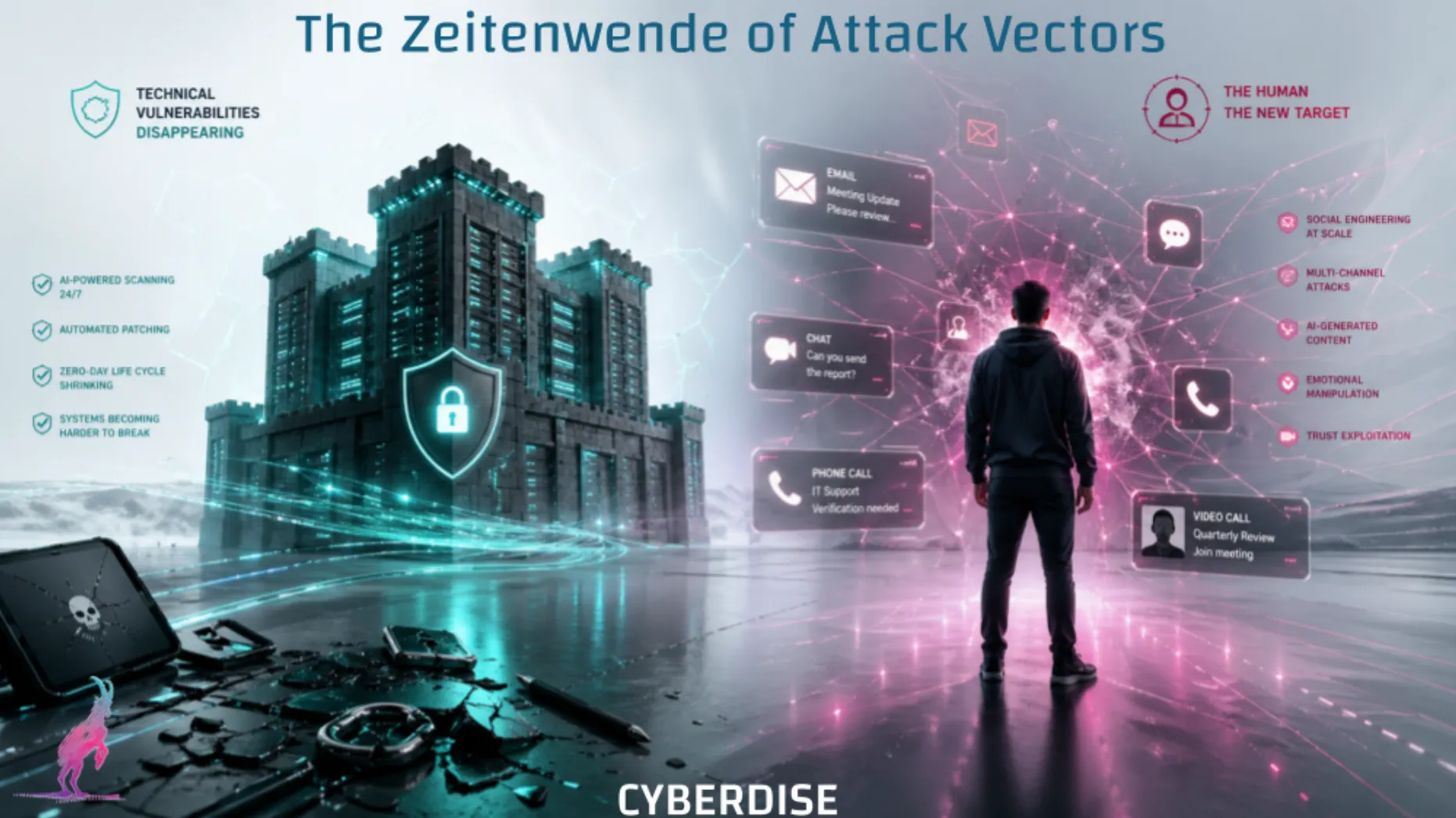
What happens when technical vulnerabilities disappear in the future – and humans become the primary target? There is a lot of talk right now about AI becoming the better hacker. That is only the first phase; the real shift begins after it.
What happens when technical vulnerabilities disappear in the future – and humans become the primary target? There is a lot of talk right now about AI becoming the better hacker. That is only the first phase; the real shift begins after it.
Swiss IT publication itbusiness.ch has featured Cyberdise, and the headline says it all: cyber defense begins with behavior. Its June 2026 article argues that security awareness training alone no longer protects organizations.

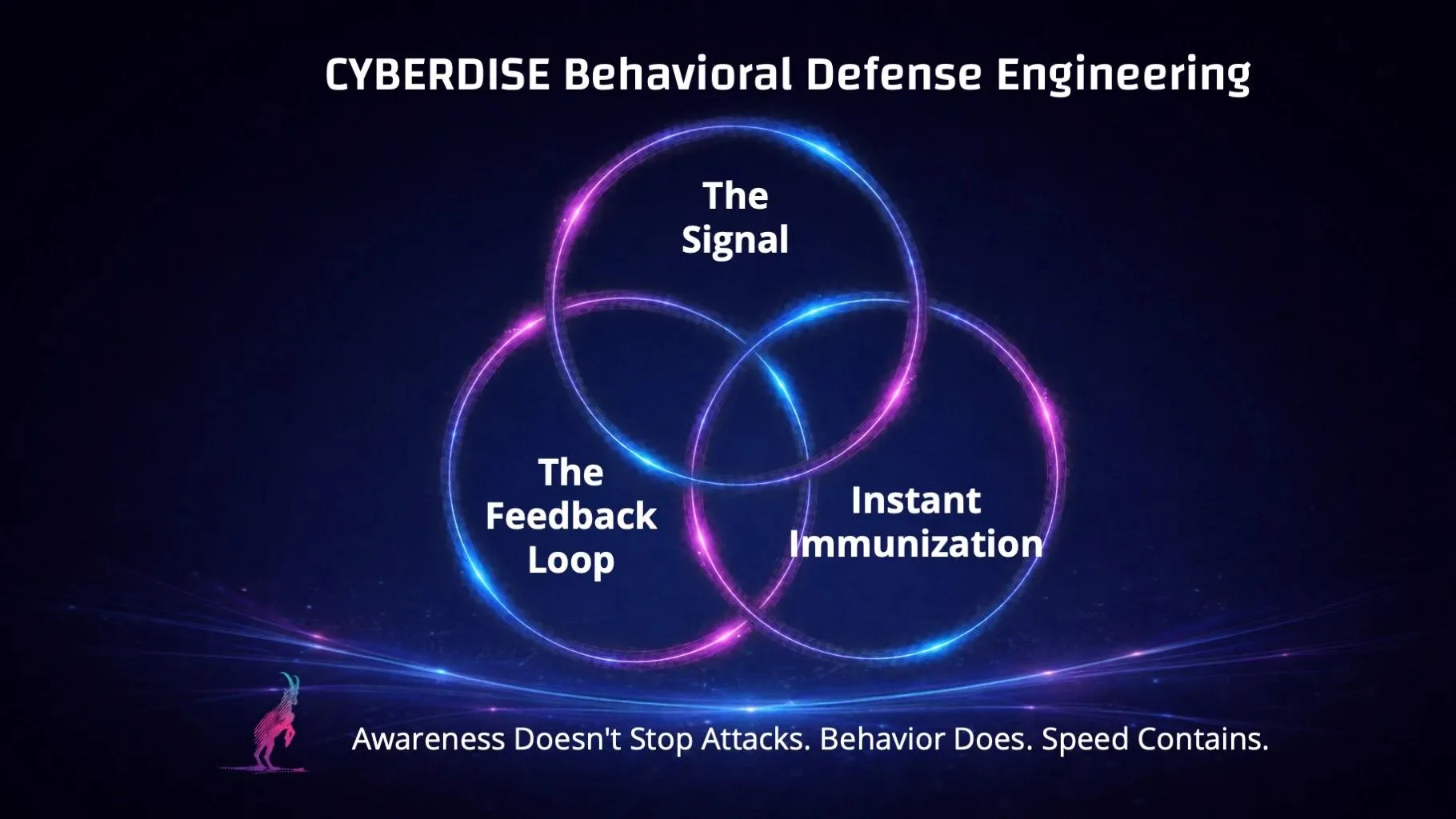
For two decades, security awareness programs have transferred theoretical knowledge — and measurable organizational risk stayed high. With Behavioral Defense Engineering and platform version V3.2, CYBERDISE treats human behavior as an operational part of IT security instead of a compliance checkbox.

Cyberdise is moving from traditional security awareness to Behavioral Defense Engineering (BDE). Employees already know phishing is dangerous, yet under the pressure of daily business they still click: the issue is not a lack of knowledge, it is a behavioral gap.

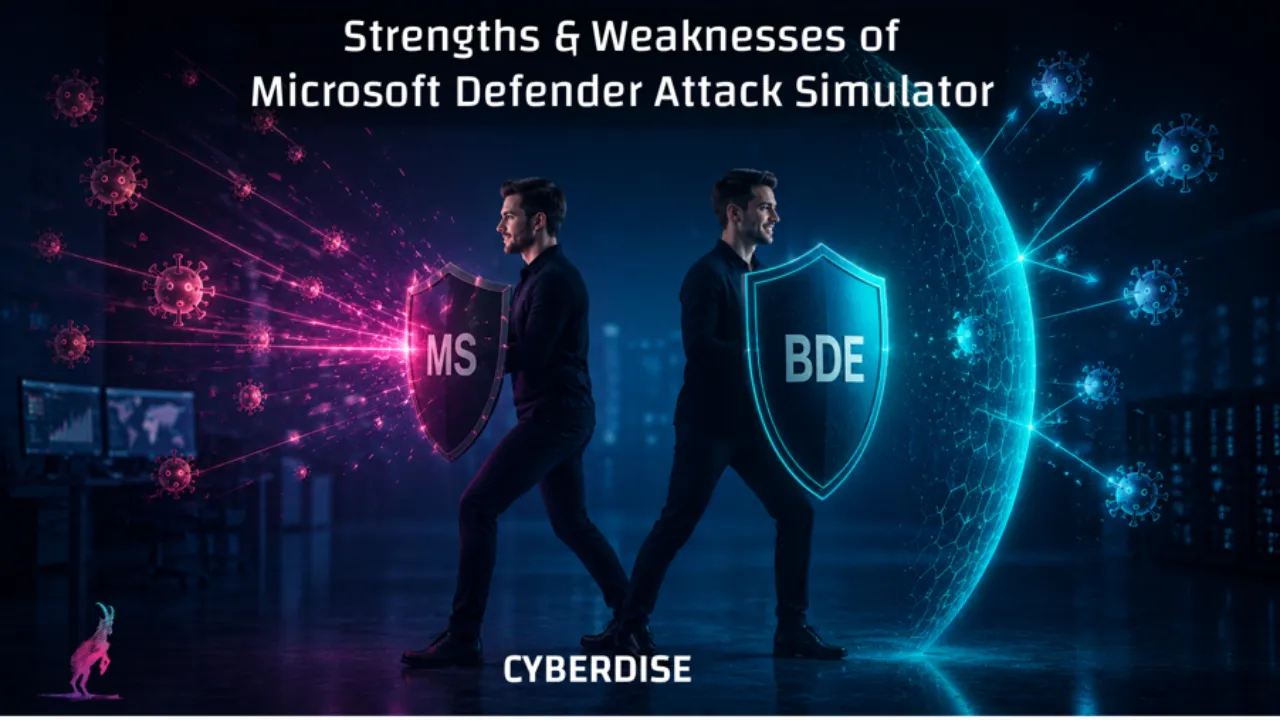
Microsoft Defender for Office 365 ships with its own phishing simulation and awareness platform. In some areas it is very good. In others, structural limits appear very quickly. This is a deliberately balanced look at both sides.

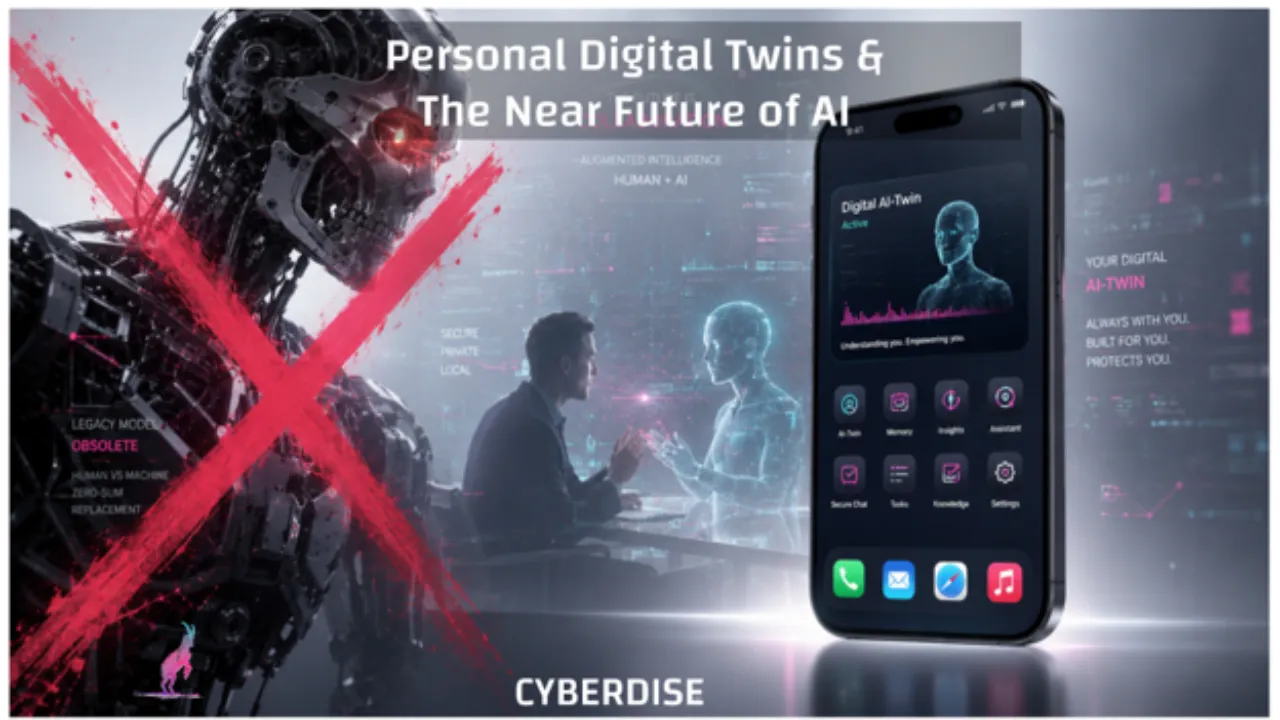
It is no longer primarily software that is reshaping our economy and society, but artificial intelligence itself. Scarce power and compute could make AI more expensive and bring it back onto our devices, where personal assistants could evolve into digital twins.

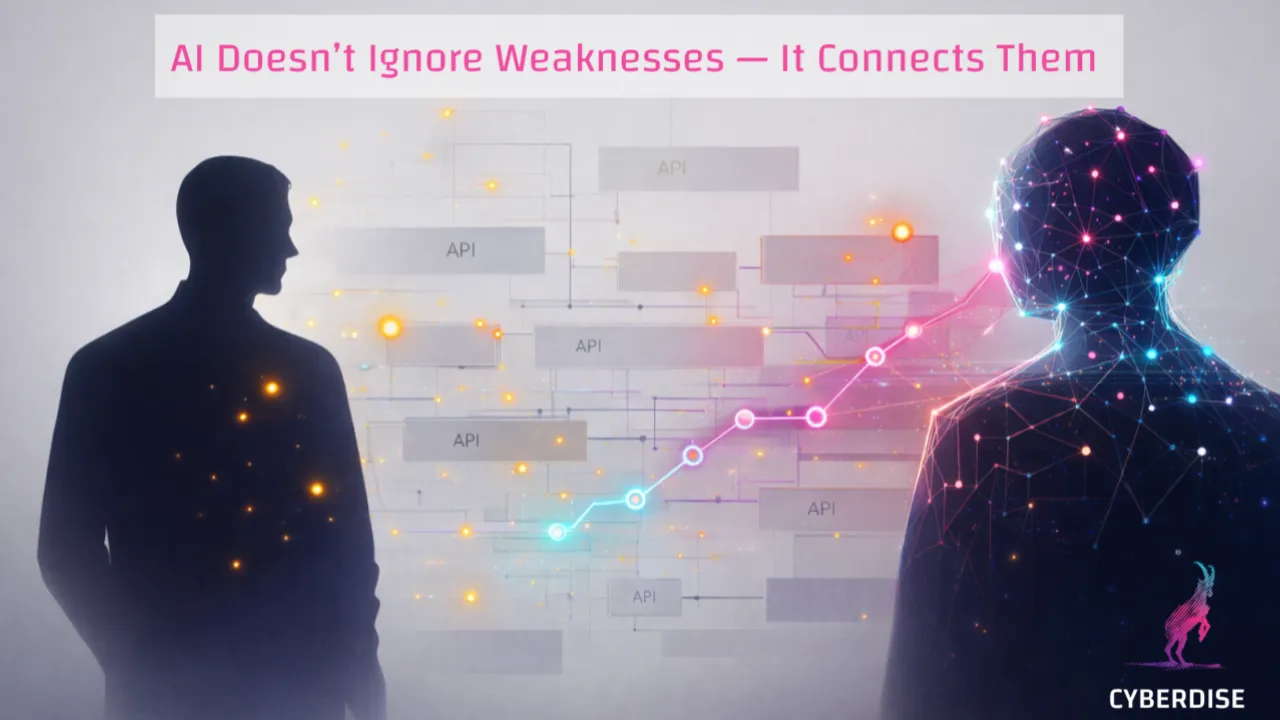
Anthropic's “Mythos” is a model that finds vulnerabilities like no human before it. But what happens when such systems don't just find things, but systematically expose everything?

Anthropic's new model Mythos is said to be exceptionally good at finding bugs and vulnerabilities in software. How exploitable many of them are remains unclear, at least for humans — but AI does not think like a human, so they must still be fixed.

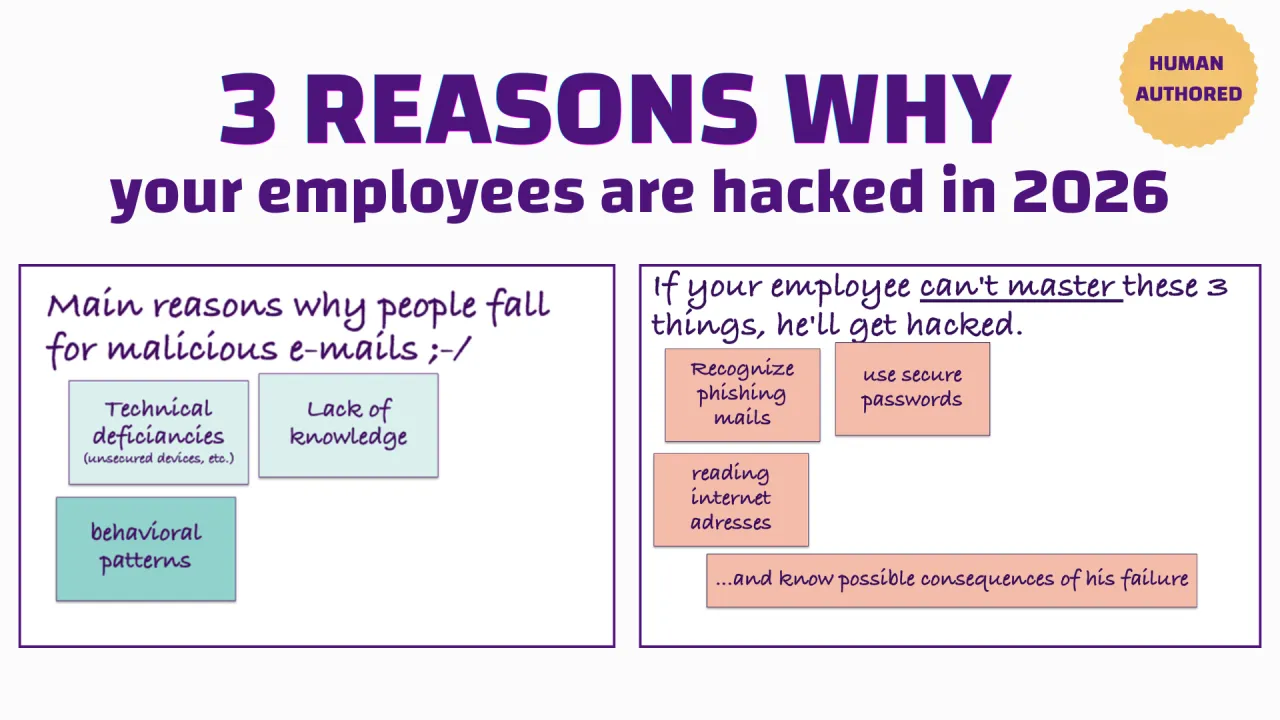
Nearly half of all successful cyberattacks start with a negligent employee. Search engines will tell you it comes down to phishing, weak passwords and careless data handling. Look closer and all three say the same thing: this is about people.

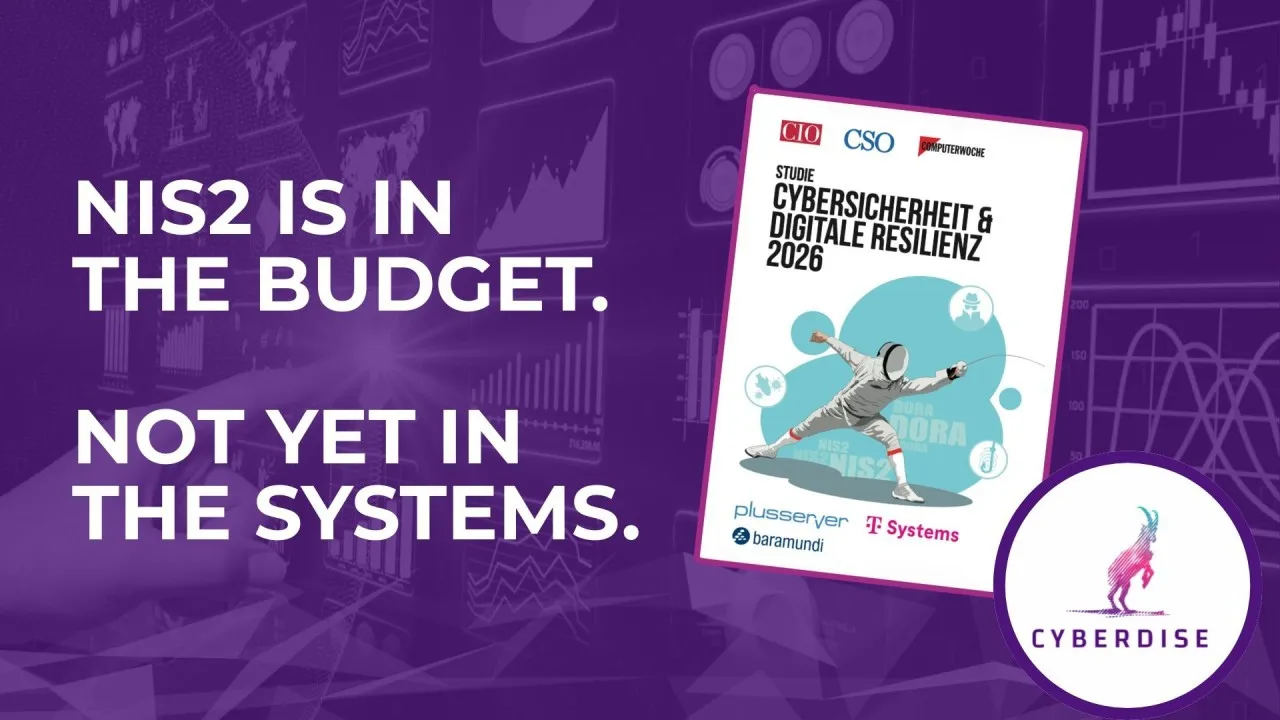
A study by CIO / CSO / Computerwoche, based on 324 interviews with senior IT decision-makers across DACH, shows how NIS2 is reshaping the way organisations think about cybersecurity. But compliance and actual resilience are still far apart.

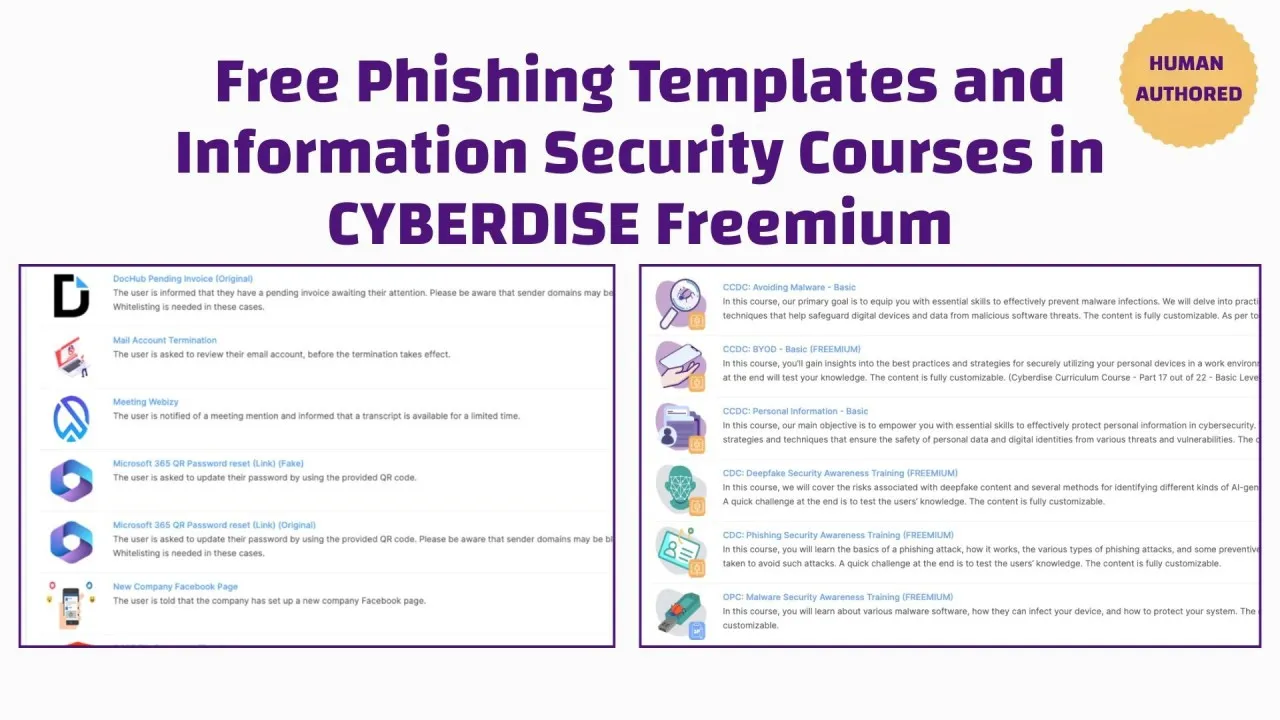
CYBERDISE Freemium is a free tool for phishing simulations that also lets you train your employees with cybersecurity courses. You can edit all templates and adapt them to your specific needs.

Microsoft Defender Attack Simulator is included with E5 licenses, and several German and Swiss mid-sized companies have let their awareness vendor contracts expire to rely on it instead. Organizations that genuinely care about attentive, well-sensitized employees are not well served by it.