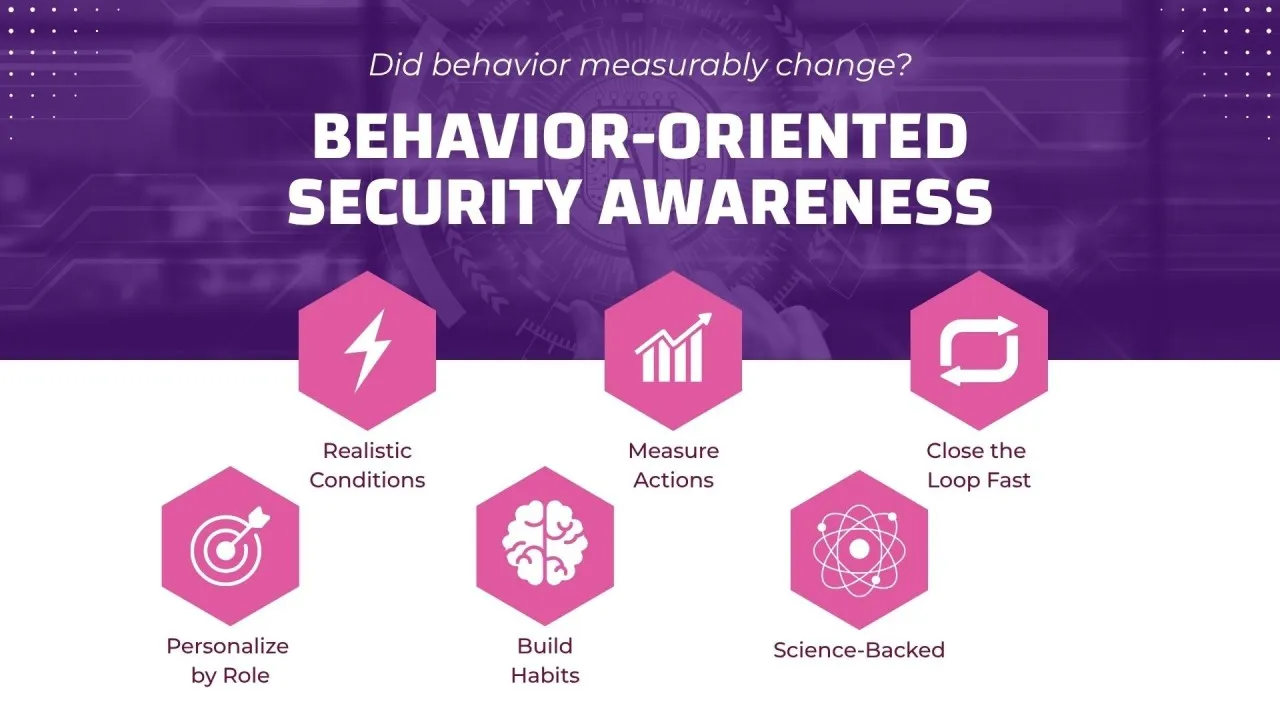
Behavior-oriented awareness measures success by observable change in risk behavior, not by knowledge completion, positive feedback scores or course consumption. It treats employees as human decision systems – not as information storage units.
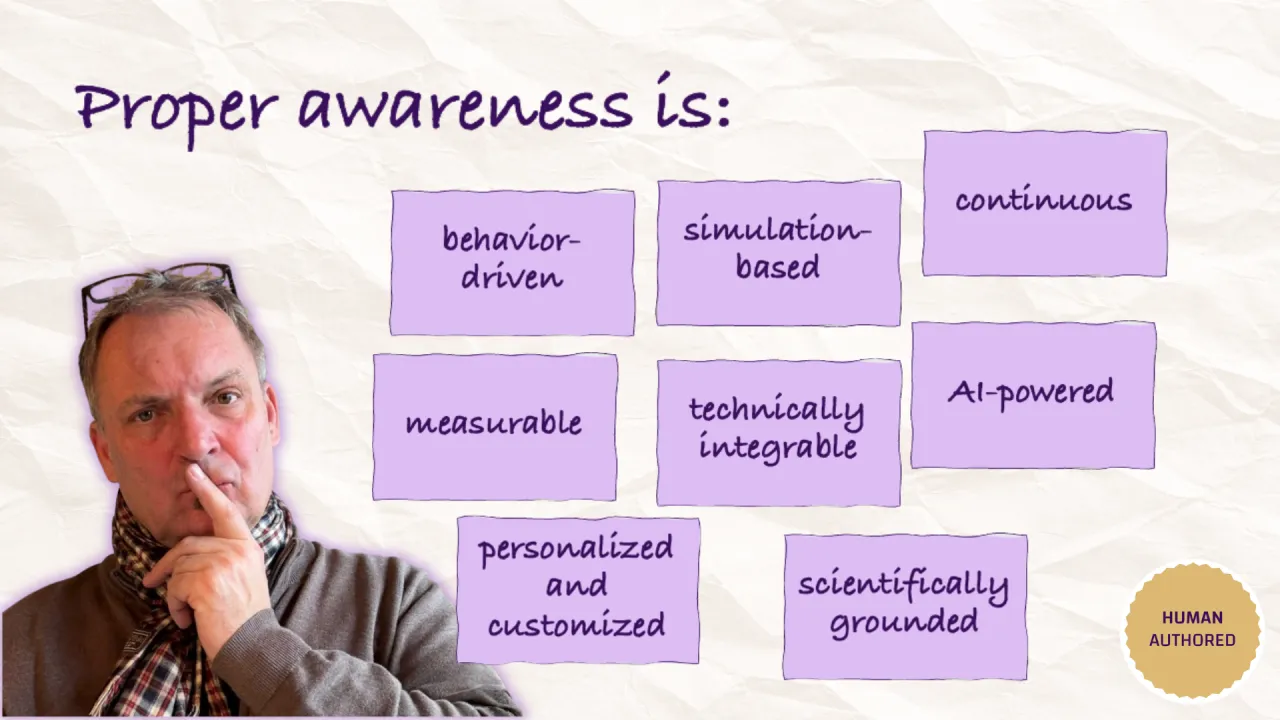
Behavior-oriented awareness measures success by observable change in risk behavior, not by knowledge completion, positive feedback scores or course consumption. It treats employees as human decision systems – not as information storage units.
An entire industry often offers customers products and services with little benefit. In the cybersecurity awareness market, they often do not aim to change behavior.

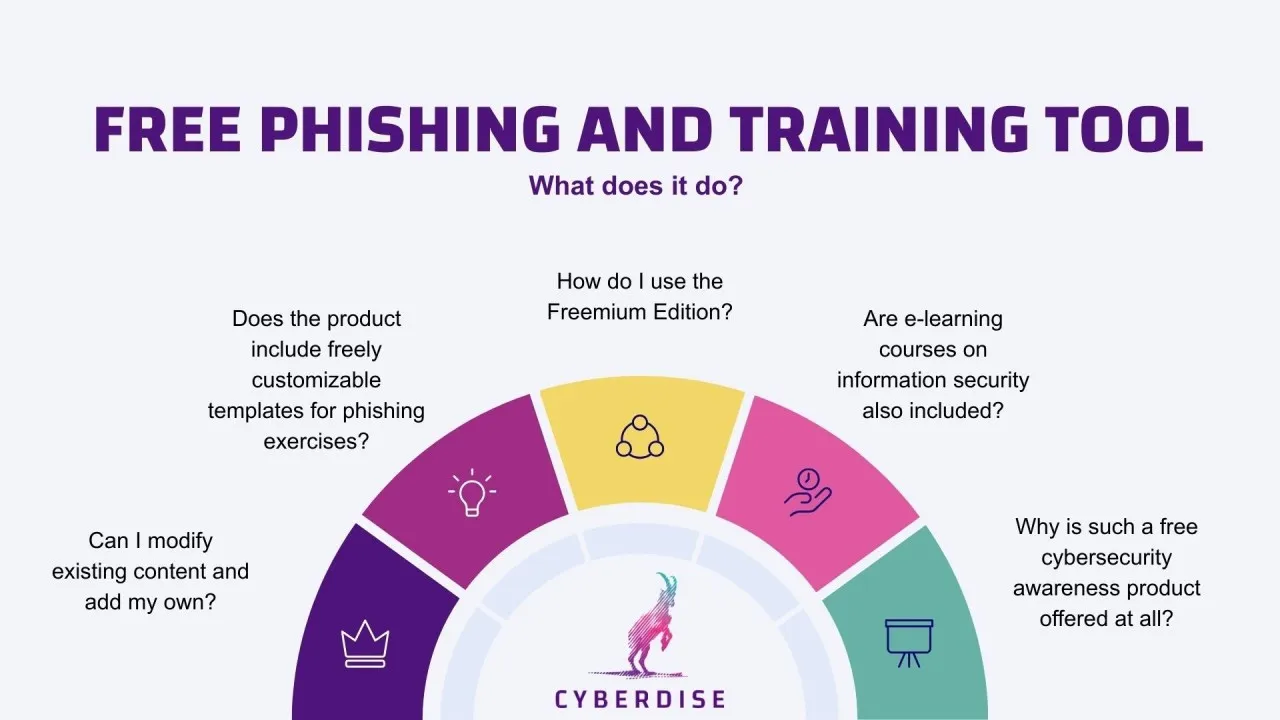
The CYBERDISE Freemium Edition is a free phishing tool and learning environment: technically speaking, an attack simulator and a lean LMS with a content editor and user management. Here are the answers on what it includes, what it needs to run and where its limitations are.

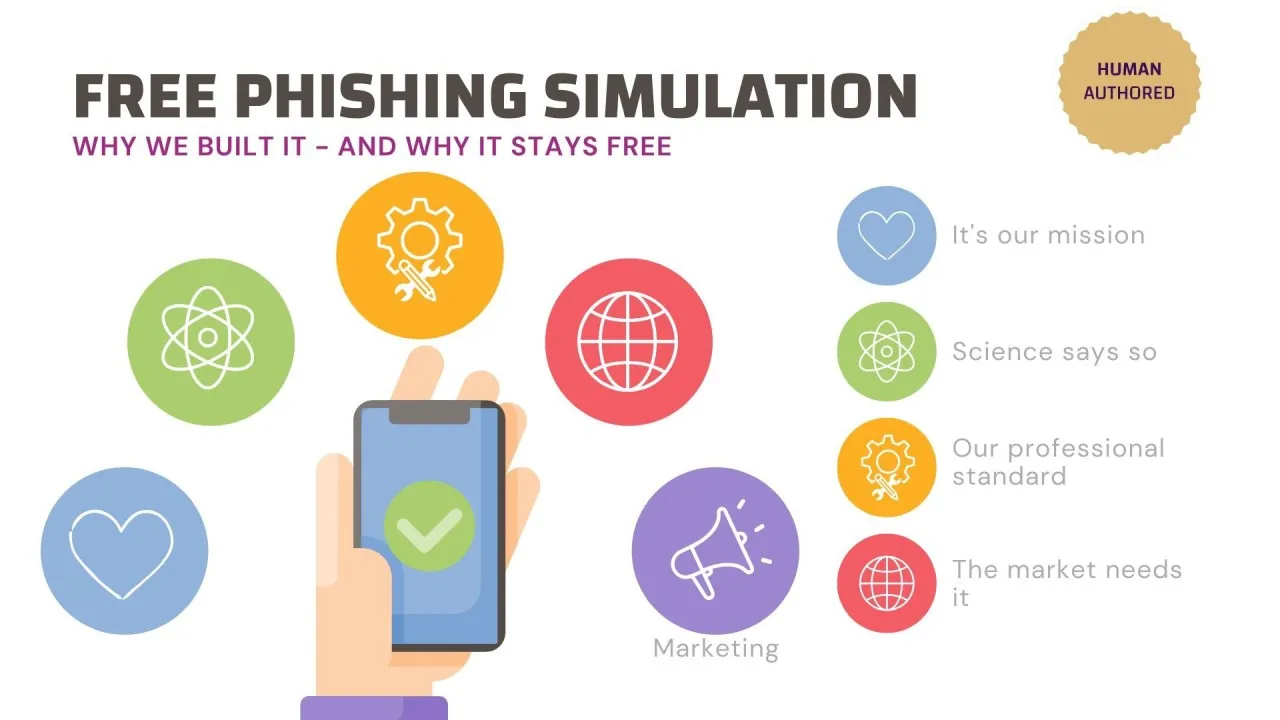
We provide a free solution for phishing simulations and cybersecurity training. Our motivation is about effectiveness, the market and our own standards – and marketing is not the primary purpose, but a side effect.

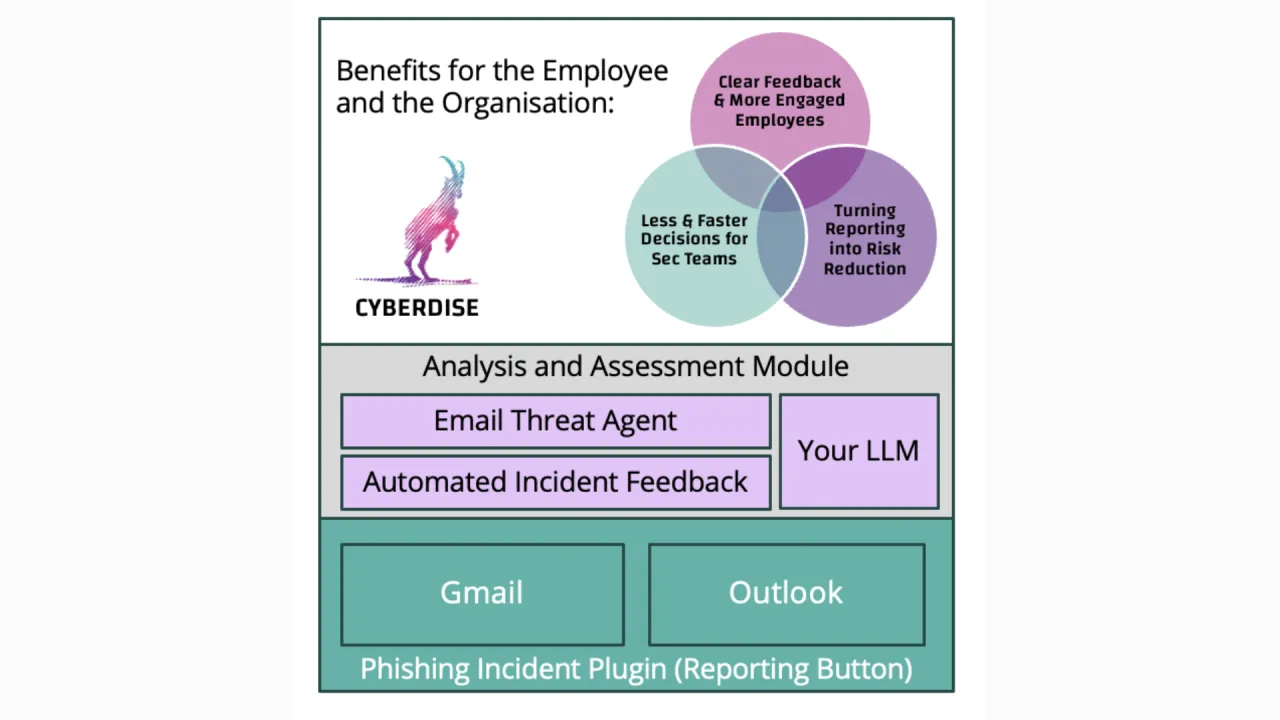
Cyberdise V3.0 and higher offers two new features, the Email Threat Agent and Automated Incident Feedback. These two features turn every reported email into a measurable security measure, not just a forwarded message.

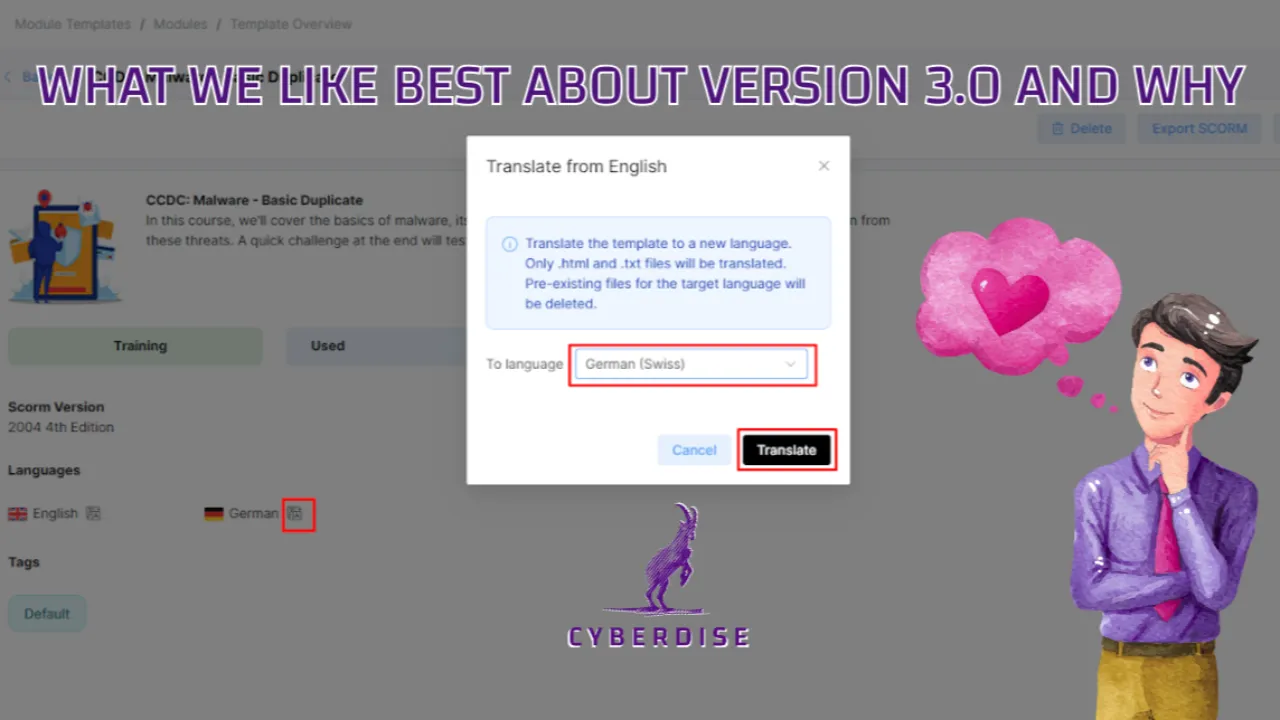
CYBERDISE 3.0 contains significant new functionality in AI phishing, LMS and training, threat reporting and message analysis, and even architectural enhancements. Here are the features we love most, and why.

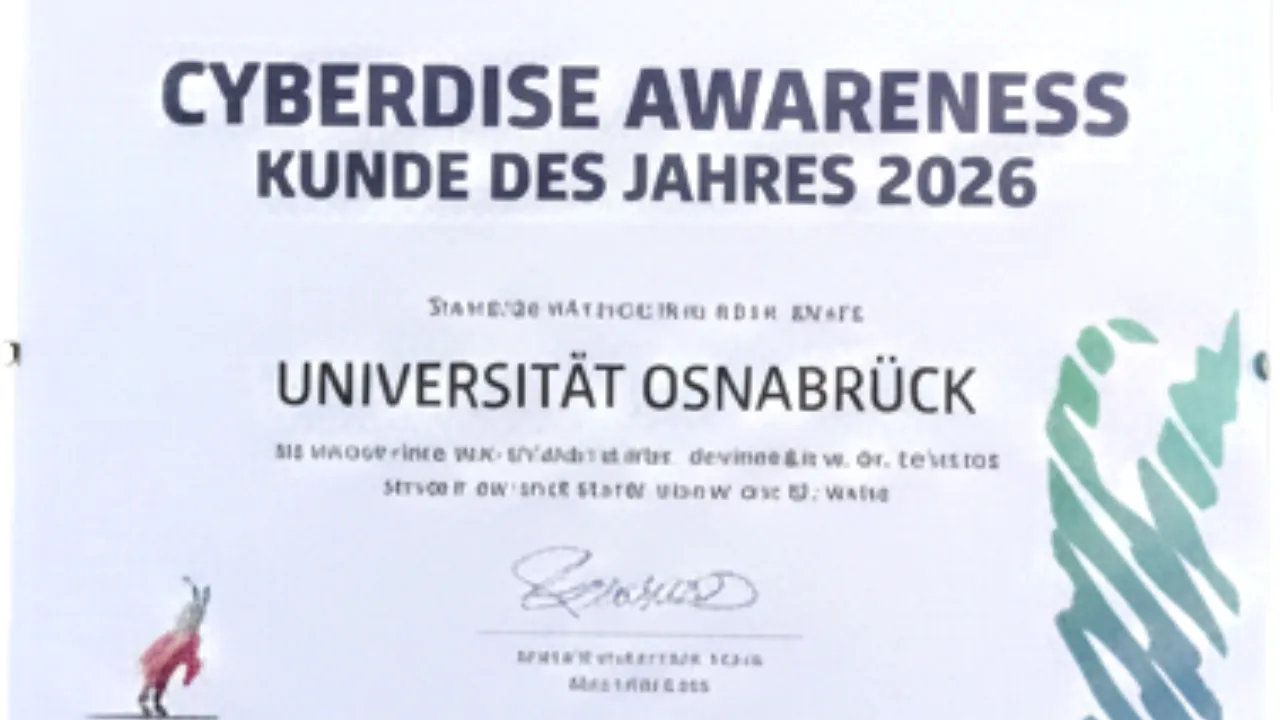
Our internal selection committee quickly reached consensus on who should receive this award: the University of Osnabrück. It receives the “Awareness Customer of the Year 2026” award for the exemplary implementation of CYBERDISE in an on-premise configuration.

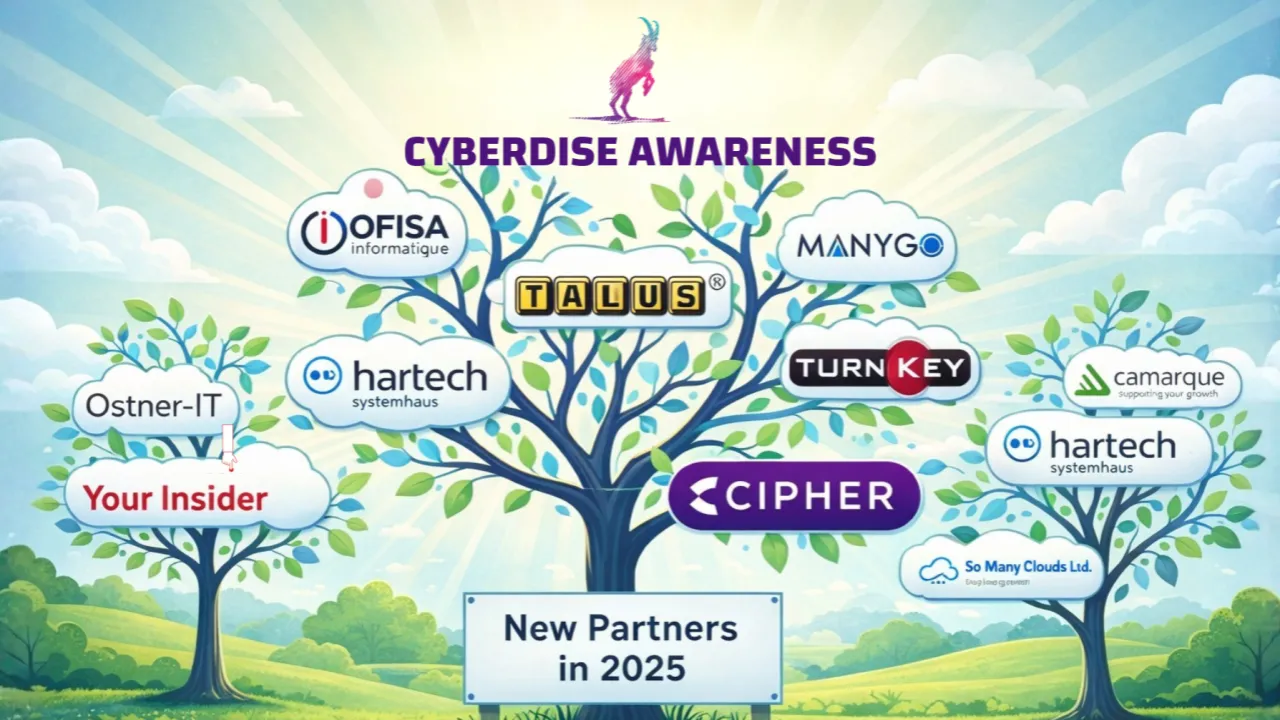
In 2025, CYBERDISE won 10 new partners and 400,000 new users under license, yet missed its targets by a significant margin. Only conversations with colleagues showed that what the team achieved in 2025 was extraordinary.

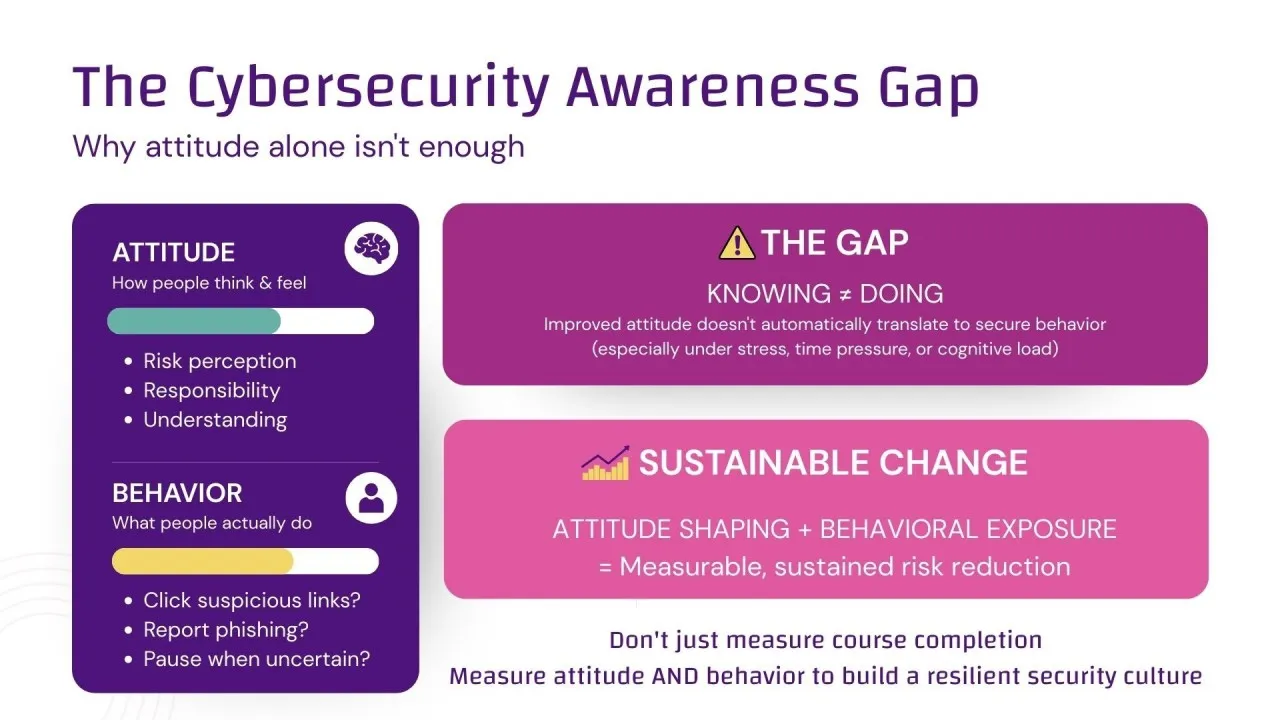
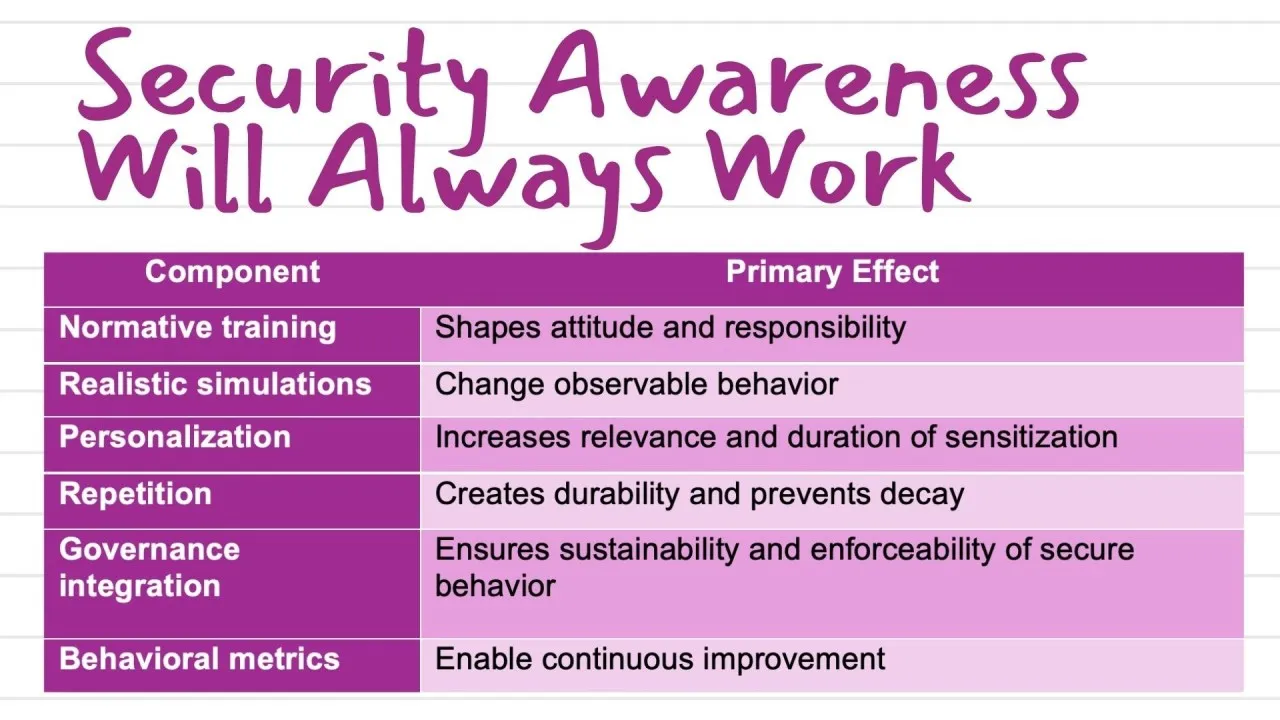
Attitude and behavior are related, but they are not the same. Confusing them is one of the main reasons why many awareness programs fail to deliver lasting risk reduction.

A Wall Street Journal article drawing on the study “Understanding the Efficacy of Phishing Training in Practice” questions whether phishing simulations and awareness training lead to meaningful risk reduction. A growing body of empirical research shows that well-designed awareness programs do improve real-world cyber risk behavior; what often fails is a narrow interpretation of what awareness is, how it should be embedded and how success should be measured.

Modern attacks happen in seconds, but awareness teams often work in days or weeks. CYBERDISE 2025 brings together AI reconnaissance, autonomous campaign components, multi-organizational management and a revamped content ecosystem — here are the features built this year.

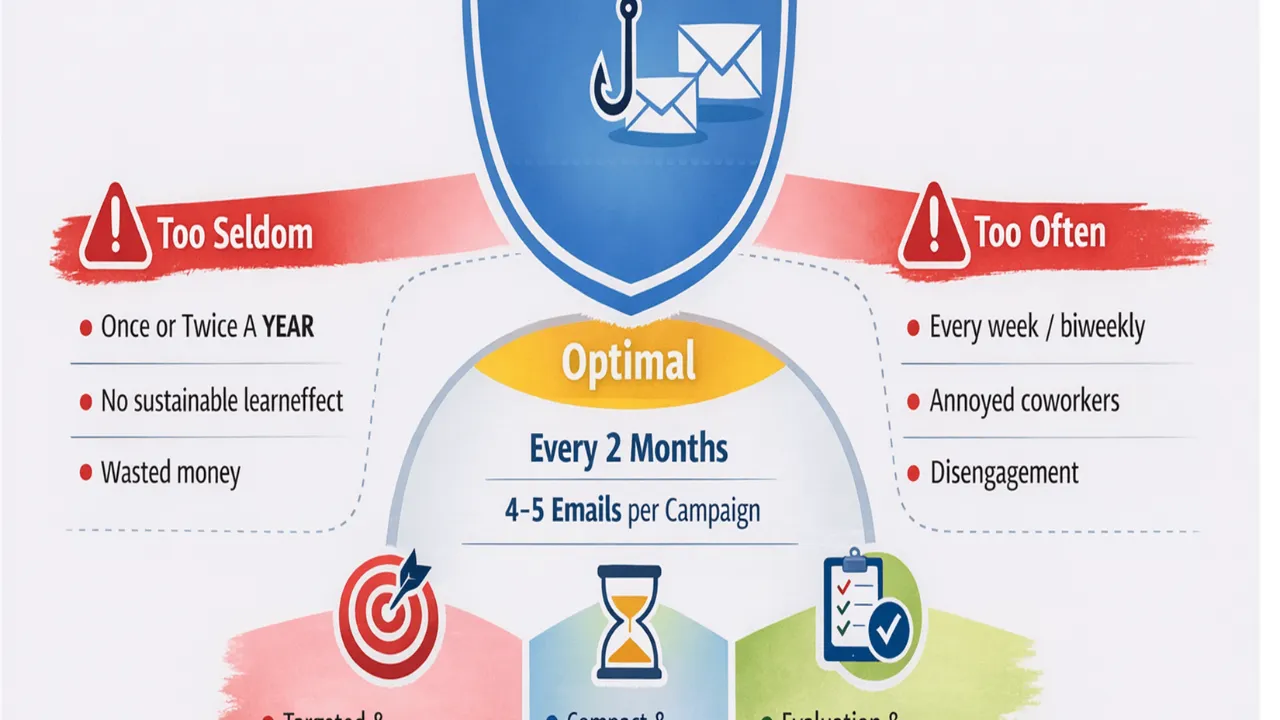
How many phishing simulations to run and how often users should face cybersecurity eLearning is a recurring question in awareness programs – and far from academic. A sensitization effect begins to crumble after about three months, yet it would be dangerous to derive simple, universally applicable rules from that.